
Muscle Recovery Nutrition Guide
Discover evidence-based strategies to optimize your post-workout recovery through proper nutrition. Learn how the right food choices and timing can enhance muscle repair, reduce soreness, and accelerate your fitness progress.

The information on this site is for educational purposes only and does not constitute medical advice. Always consult a qualified healthcare professional before making health decisions.
Essential Nutrients for Muscle Recovery
Protein for Muscle Repair
Protein is the building block your muscles need after intense training. Consuming adequate protein within the post-workout window supports muscle protein synthesis and helps rebuild damaged muscle fibers, accelerating recovery and growth.
Carbohydrates for Energy Restoration
Carbohydrates replenish depleted glycogen stores and trigger insulin release, which enhances nutrient delivery to muscles. Including quality carbs in your recovery meal helps restore energy levels and supports the anabolic environment needed for tissue repair.
Micronutrients and Hydration
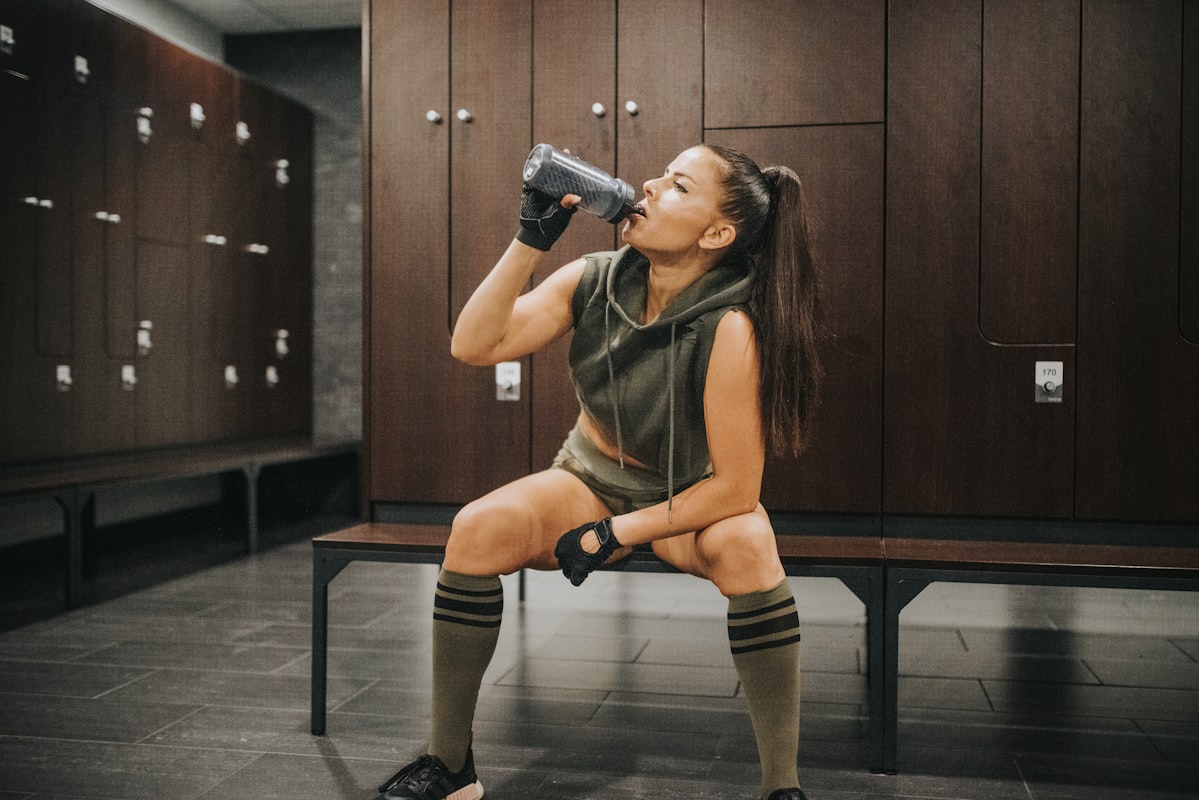
Vitamins, minerals, and electrolytes support immune function, reduce inflammation, and facilitate cellular repair. Proper hydration is equally critical—water is essential for nutrient transport, thermoregulation, and optimal muscle function during recovery.
The Science of Recovery Timing
The post-workout window—typically 30 to 120 minutes after exercise—represents a critical period for nutrient absorption and muscle adaptation. During this window, your muscles are primed to accept nutrients and begin the repair process, making nutrition timing as important as nutritional content itself.
Research shows that combining protein and carbohydrates in this window optimizes glycogen repletion and protein synthesis. This synergistic approach maximizes your body's natural recovery mechanisms and sets the stage for consistent progress in your training.
- Muscle Protein Synthesis: Elevated for up to 48 hours post-exercise
- Glycogen Restoration: Most efficient within 2 hours of training
- Inflammation Management: Strategic nutrients reduce exercise-induced inflammation
Your 4-Step Recovery Protocol
Immediate Hydration
Begin rehydrating within 15 minutes of finishing your workout. Replace lost fluids with water or electrolyte beverages, especially after intense or prolonged exercise in warm conditions.
30-Minute Nutrition Window
Within 30 minutes, consume a meal or snack with 20-40g protein and 40-80g carbohydrates. This timing maximizes nutrient uptake and initiates the muscle repair process when your body is most receptive.
Recovery-Focused Meals
Over the next 2-4 hours, consume balanced meals containing lean proteins, whole grains, vegetables, and healthy fats. These meals provide sustained nutrition to support ongoing repair and adaptation.
Daily Recovery Nutrition
Maintain consistent protein intake throughout the day (0.7-1.0g per pound of body weight) and prioritize anti-inflammatory foods, adequate sleep, and stress management for complete recovery.
Recovery Meal Ideas Gallery

Grilled Chicken & Sweet Potato Bowl
Lean protein source paired with complex carbohydrates and vegetables. Includes roasted sweet potato for glycogen replenishment and broccoli for micronutrients and anti-inflammatory benefits.

Protein Smoothie with Berries
Fast-absorbing post-workout option combining whey protein, banana for carbohydrates, Greek yogurt for additional protein, and antioxidant-rich berries to support inflammation management and recovery.
Frequently Asked Questions
How much protein do I need for recovery?
Most active individuals benefit from consuming 20-40g of protein in their post-workout meal, with total daily intake ranging from 0.7-1.0g per pound of lean body weight. Individual needs vary based on body composition, training intensity, and fitness goals.
Can I eat solid food or should I use supplements?
Whole foods are ideal for recovery and provide additional micronutrients and fiber. However, when convenience is limited or fast absorption is needed immediately post-workout, protein powders and recovery drinks offer practical alternatives with similar effectiveness.
What's the best carbohydrate source after training?
White rice, potatoes, oats, bananas, and refined pasta are excellent post-workout carbohydrate sources because they digest quickly and replenish glycogen rapidly. More complex carbs like whole grains work well in meals consumed 2-4 hours after exercise.
Does meal timing really matter that much?
While the post-workout window is important, total daily nutritional intake matters more than precise timing. However, eating within 30-120 minutes optimizes muscle protein synthesis and glycogen restoration, making it a beneficial practice for consistent training progress.
Are there specific nutrients that reduce muscle soreness?
Antioxidant-rich foods (berries, leafy greens), omega-3 fatty acids (fatty fish, walnuts), and anti-inflammatory spices (turmeric, ginger) may help manage exercise-induced inflammation. Combined with adequate protein and hydration, these support recovery and reduce delayed-onset muscle soreness.
Should I hydrate differently based on exercise type?
High-intensity or prolonged exercise in heat requires more aggressive hydration. Aim to replace 150% of fluid lost (weigh yourself before and after exercise) over 4-6 hours post-workout. Include electrolytes in drinks for exercise lasting over 60 minutes.
Complete Muscle Recovery Nutrition Guide
Download our comprehensive guide featuring meal plans, nutrient timing strategies, and recovery protocols used by athletes and fitness professionals worldwide.
Access the GuideAthlete Recovery Success Stories
"After implementing the recovery nutrition protocols from this guide, my workout performance increased significantly. I noticed reduced muscle soreness within days, faster recovery between training sessions, and better overall strength gains. Individual results may vary. The meal timing recommendations were game-changing for my results."
Bambang Suryanto
Jakarta, Indonesia
"The carbohydrate and protein timing recommendations in this guide transformed my recovery. I went from feeling exhausted after workouts to feeling energized within hours. The practical meal ideas made it easy to implement, and I've seen consistent muscle growth and improved training capacity."
Rudi Hermawan
Medan, Indonesia
"What impressed me most was the science-backed approach. This isn't trendy nutrition advice—it's evidence-based strategies that actually work. I've shared these guidelines with my entire training group, and everyone has seen improved recovery times and muscle development."
Edi Wijaya
Surabaya, Indonesia
"As someone new to serious training, I was uncertain about recovery nutrition. This guide explained everything clearly, from basic principles to advanced strategies. My energy levels improved, muscle definition increased faster, and I feel more confident about my nutrition choices."
Krisna Wirawan
Bandung, Indonesia
Why Choose This Recovery Nutrition Guide
Evidence-Based Strategies
All recommendations are grounded in peer-reviewed research and validated by nutrition science, not trends or unproven claims.
Practical Implementation
Real-world meal ideas, timing protocols, and strategies that fit into busy lifestyles without requiring specialized equipment or expensive supplements.
Customizable Approaches
Flexible guidelines that adapt to different training styles, fitness goals, dietary preferences, and budget constraints.
Comprehensive Coverage
Covers hydration, macronutrient timing, micronutrient needs, inflammation management, and recovery optimization for all fitness levels.
Start Optimizing Your Recovery Today
Download the complete Muscle Recovery Nutrition Guide and join athletes and fitness enthusiasts who have transformed their results through evidence-based recovery strategies. Access meal plans, nutrient timing protocols, and recovery optimization techniques.